LMO
Emotional Freedom Technique through Eye Movements (Emotional Blockage Release Technique)
Personal and emotional conflicts from the past can directly impact our psychological and physical well-being today. Whether it’s anxiety, depression, loneliness, post-traumatic shock, general unease, or emotional blockages, we have all experienced difficult situations that have triggered intense emotions within us.
Sometimes, even after years, these situations seem to awaken past sufferings and lingering wounds.
These emotions can not only cause psychological distress but also have tangible physical consequences. These challenging situations can arise frequently, preventing us from fully embracing the present moment and leaving us vulnerable.
We all have situations that deeply affect us and evoke various negative emotions.
Eye Movement Desensitization and Reprocessing therapy can help you release and overcome these wounds.
To utilize this therapy, it is indeed necessary to focus on a specific moment.
Thus, we will work with the individual to identify the catalyst for their distress, which is the event or situation that triggers the negative emotions.
The person will initially work on their own with this triggering situation.
They will attentively observe the emotions and bodily sensations associated with this situation.
Lastly, it is recommended to assess the intensity of the discomfort experienced during this situation by assigning it a rating, in order to quantify the negative emotions.
THE SESSION WOULD UNFOLD AS FOLLOWS:
1.Discussion: Together, we will discuss the observations gathered during the exploration of the triggering distressing situation.
2.Review of emotions and bodily sensations: We will go over the emotions and physical sensations associated with this situation, ensuring a clear understanding.
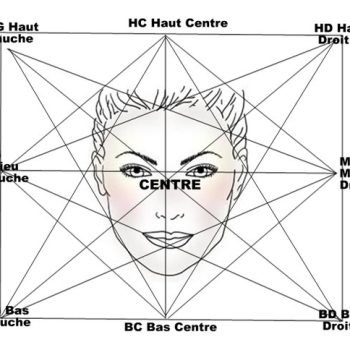
3.Slow movements: We will begin with slow eye movements, while allowing the person to feel comfortable and connected to their subconscious. These bilateral movements will stimulate the process of reprocessing traumatic memories.
4.Faster movements: In the second set of movements, we will increase the speed of the eye movements. This can intensify the reprocessing process and facilitate the desensitization of negative emotions linked to the situation.
5.Reliving the situation: Towards the end of the session, we will return to the initial situation and observe the feelings and emotions that emerge.
6.We will note any changes and improvements, as well as the progression of discomfort experienced.
The benefits of the session can extend for several days.